
The Best Tools For Building A Compelling Digital Portfolio
Aug 16, 2026



Moving from a world of academic journals to the corporate environment can seem like a daunting shift. Years of refining research skills and exploring theories have prepared you in unique ways, and now is the moment to show employers how your academic experience addresses practical problems. Approach this transition as you would a new research project. Start by investigating positions that align with your abilities, bring careful attention to detail when preparing your résumé, and experiment with different networking approaches to discover which ones open the right doors. Each step you take builds on your expertise and brings you closer to your next opportunity.
Your path from grad school to a nine-to-five (or flexible gig) boils down to translating abstract skills into concrete value. Writing proposals turns into drafting project plans. Presenting at conferences becomes leading team meetings. When you learn to speak the language of business, hiring managers will hear you clearly and see potential in your profile.
Identify moments when your habits from academia help or hinder progress. If you tend to dig deep into every detail, set strict time limits on tasks to avoid analysis paralysis. If you’ve gotten used to solo study marathons, reach out for feedback regularly so your work aligns with organizational goals.
Stay flexible. Projects in grad school follow semester calendars, while workplaces pivot with market demands. Creating a rhythm of weekly check-ins and progress tracking keeps your workflow adaptable and ensures you meet evolving priorities.
Build on your academic training with these skills. You already write papers — now practice drafting concise memos. You’ve led study groups — now mentor interns or junior staff on small tasks. Each time you practice these skills, you sharpen your competitive edge in the job market.
Set measurable goals. For instance, aim to lead one cross-departmental meeting within six months or update your project tracker daily. By monitoring progress, you demonstrate to yourself and managers that you can take on responsibilities beyond research labs.
Your personal brand presents a consistent story across LinkedIn, portfolio sites, and professional discussions. Highlight how you solve problems rather than list all courses you completed. Replace “Conducted literature reviews” with “Identified market gaps through data-driven analysis.” That phrasing shows impact.
Select a profile photo that matches industry norms: if you target creative firms, choose a casual backdrop; if you aim at finance, opt for a clean suit shot. Write a headline that sparks curiosity — something like “Data Analyst who Turns Complex Numbers into Clear Business Decisions.”
Share your learning journey. Post short summaries of workshops you led or breakthroughs you achieved. Tag collaborators to expand your network. When people see consistent value in your posts, recruiters will connect you to roles that match your expertise.
Consider creating a personal website. Include concise case studies instead of lengthy project descriptions. Show before-and-after results: “Reduced processing time by 30% through algorithm optimization.” Quantify wherever possible to make your achievements tangible.
Traditional conferences can feel overwhelming. Start smaller: attend local meetups, virtual panels, or alumni mixers. Prepare two or three questions that highlight your interest in potential collaborators’ work. That way you avoid awkward silences and leave a memorable impression.
Follow up within 24 hours. Send a brief note referencing a detail from your chat, such as “I loved your insight on user-centric design.” Then propose a quick coffee chat or a video call. Consistency here outweighs large numbers of one-off connections.
Don’t overlook internal connections. Ask peers in other departments for short walkthroughs of their roles. You build rapport and gain insight into where your skills could fill gaps. If you see an opening, you already have a champion who understands your background.
Offer help freely. If you run into a technical question or spot a resource that could benefit someone’s project, share it. One small favor often leads to reciprocal support down the line.
Customize each résumé and cover letter. Instead of sending the same documents to ten companies, tweak bullet points to match the job description. Use keywords from the posting so applicant tracking systems rank you higher.
Practice a short pitch: two sentences that sum up who you are, what you do best, and why you’re interested in this role. Start with “I help teams streamline data workflows” rather than “I’m a recent graduate.” This way, interviewers see your contribution immediately.
During interviews, answer questions with the CAR method: Context, Action, Result. For example, “In my thesis project (Context), I implemented a new coding framework (Action) and cut processing time by 40% (Result).” Interviewers appreciate clear, outcome-focused stories.
After each interview, send a thank-you note that highlights a topic you discussed. If a hiring manager mentioned a challenge in their team, mention one idea you’d bring to tackle it. That demonstrates attentiveness and enthusiasm.
You might slip into all-nighters after spending years on marathon reading sessions. Instead, block out “deep work” hours and schedule breaks. Apps like Forest or simple timers remind you to stretch your legs and recharge your mind.
Keep a visible calendar. Include personal events such as workouts or social time. When you see non-work items alongside meetings, you treat them as commitments rather than optional extras.
Rely on your support network. Friends, family, and peers who understand academia’s demands can remind you to unplug. Planning a weekly hobby or hobby group meeting helps you detach and come back energized.
Reflect weekly on what energizes you at work and what drains you. Then adjust your schedule accordingly: shift tedious tasks to when you feel most alert, and tackle creative work during your peak hours.
Transitioning from grad school to a career requires clear goals and self-awareness. Focus on practical skills, build authentic connections, and maintain balance to find roles that suit your strengths.

Building an impressive academic portfolio involves curating your achievements and presenting them in a way that captures the attention of graduate admissions committees....
Aug 19, 2026

Finding the right mentor often marks a significant milestone for those uncertain about their next move. When you build a relationship with someone who understands your...
May 27, 2026

Landing a summer fellowship brings exciting opportunities to expand your skills and advance your career. You might find yourself working side by side with researchers in...
Jul 05, 2026

Deciding whether to work in a campus lab or settle into a corner office at a tech hub often means weighing two distinct experiences. Each environment brings its own set...
Aug 12, 2026

Beginning a research assistant position opens up a world of discovery, and setting clear goals helps you navigate each step. Consider what excites you the most—whether...
May 23, 2026

Creating a degree that weaves together art history, computer science, and environmental studies opens up a world where skills from each discipline work together in...
Aug 30, 2026

Choosing a career that suits your unique interests and abilities often feels challenging. Many people recognize the subjects they enjoy most, but linking those passions...
Jun 02, 2026

Reliable career outcomes data from graduate schools offers valuable insight into how alumni advance in their professions after earning their degrees. Reviewing...
Jul 10, 2026

Many students arrive on campus and quickly realize how many buildings, offices, and services surround them, often without knowing what each one offers. Finding support...
Jul 24, 2026

Balancing classes, projects, social activities, and personal well-being can feel overwhelming during college. Across campuses worldwide, new technologies help students...
Sep 12, 2026

Exploring the opportunity to study abroad brings excitement and a sense of adventure, but it often comes with challenges such as visa applications and admission...
Sep 04, 2026
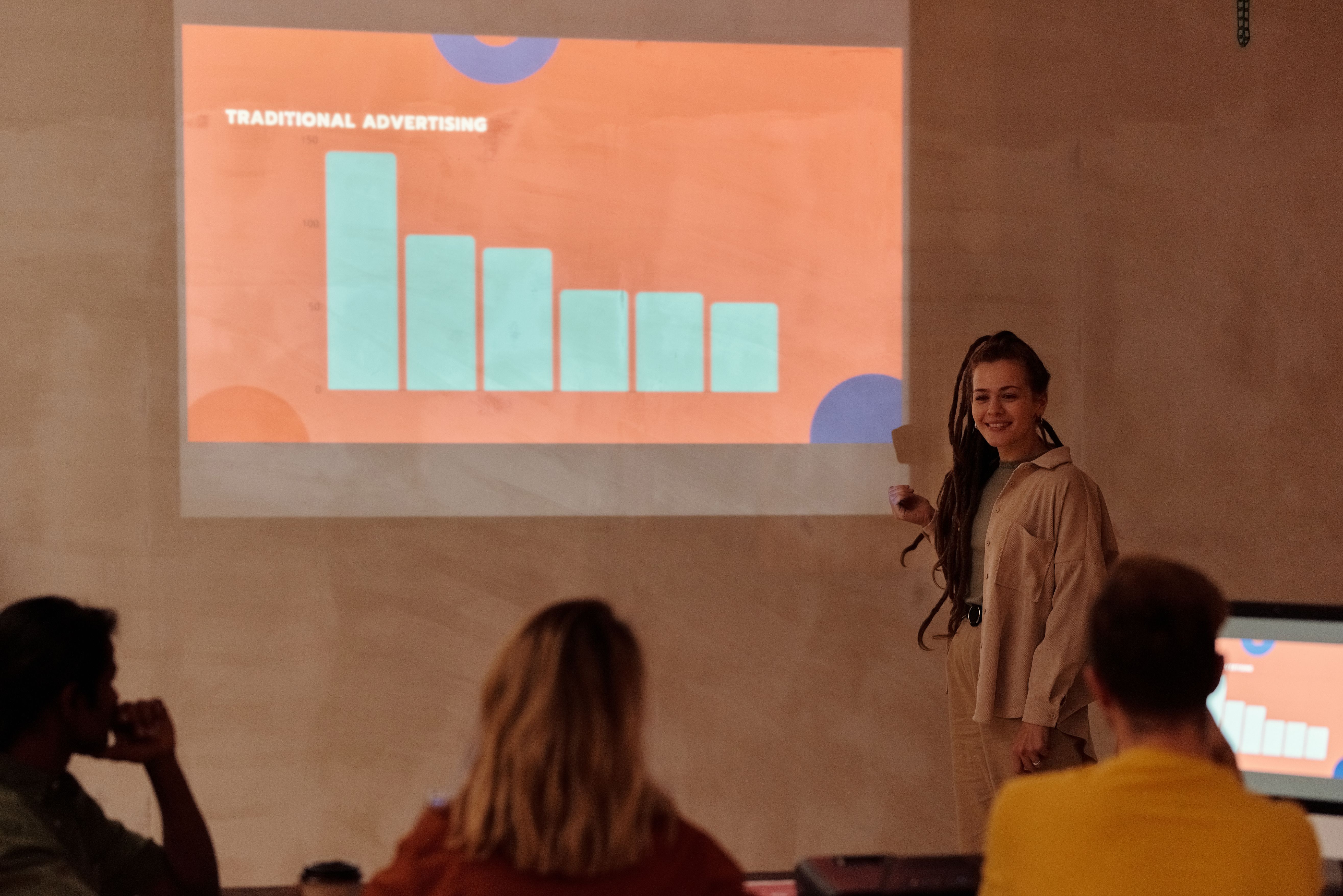
Standing in front of a conference room, ready to share your research, can seem daunting at first. A strong plan helps you organize your thoughts, deliver your message...
Jun 06, 2026

Finding the best university often involves sorting through countless details and weighing important options. This guide helps you focus on five key aspects to consider...
Jul 29, 2026

Many people experience nerves when standing up to speak in front of a group, whether in a classroom setting or a formal meeting. Sharing ideas with clarity and making a...
Jul 01, 2026