
Best Practices for Effective Communication With Academic Advisors
May 07, 2026



Building connections with those who share your passion for academics can significantly enhance your journey through research and coursework. A mentor brings valuable insights, introduces you to new opportunities, offers constructive feedback, and encourages your growth and self-assurance within your discipline. When you find the right mentor, you gain not only guidance but also a trusted ally who supports your development over time. This guide explains how to identify a suitable mentor, approach them with confidence, and nurture a relationship that extends well past the classroom or a single academic term.
You’ll see real tips you can use right away—like preparing meeting agendas, asking insightful questions, and following up in a way that keeps the conversation going. Pack a notebook or open a note-taking app and get ready to make that first move.
Start by listing professors, graduate students, or industry experts you admire. Look for people whose research topics spark curiosity. Notice who gives clear feedback on drafts or presentations. These traits often signal someone ready to invest in your growth.
Keep your eyes open at seminars, club events, or office hours. Engage in casual chats to see if you connect on teaching style and communication preferences. That rapport counts just as much as academic achievement.
First impressions matter. Write a clear, concise email that grabs attention. Mention a recent talk or paper of theirs that resonated with you. Show genuine interest by referencing a specific detail and explain why you’d value their insight on your project.
Avoid vague requests like “Can you mentor me?” Instead, ask for a short meeting to discuss a well-defined topic or challenge. This approach feels less overwhelming and increases the chance they will say yes.
During that first meeting, listen actively and take notes. Show curiosity by asking follow-up questions. If they mention a challenge they faced, relate it back to your own experience or pose a thoughtful question about their solution. That back-and-forth establishes genuine dialogue.
Share your goals honestly, whether they involve publishing a paper, refining lab techniques, or exploring career paths. When a mentor knows what drives you, they can offer tailored advice. This openness forms the backbone of a trusting relationship.
Stay organized by setting clear goals for each meeting. Write down questions beforehand and rank them by priority. Keep previous feedback handy so you can show progress and ask for deeper guidance.
Bring any relevant materials—drafts, data sets, or slide decks—in digital or hard-copy form. This preparation shows respect for their time and makes each session more productive.
Check in regularly with quick updates on your progress. A brief email or message every few weeks shows you value their time while demonstrating accountability. Include a one-line summary of accomplishments or roadblocks, and invite feedback.
Offer to help with tasks when appropriate, such as gathering literature or proofreading slides. Contributing small favors reminds them this is a two-way street, and they’ll remember your reliability when new opportunities arise.
Connections grow when you approach each interaction with respect and curiosity. Over time, a mentorship can develop into a lasting collaboration, opening doors to new projects, recommendations, and even lifelong friendships.
Reach out to someone who inspires you today. With clear communication and effort, you will gain a mentor to help you achieve your academic goals.

Securing a graduate school assistantship opens the door to valuable experiences and helps reduce the burden of tuition costs. These positions offer practical...
Jun 24, 2026

Taking your research from initial idea to publication involves a series of practical steps that help simplify what can seem like a complex process. Begin by identifying...
Mar 27, 2026

Taking control of your career path starts with understanding your current position and identifying what you truly want to accomplish. Begin by assessing your strengths,...
Apr 22, 2026
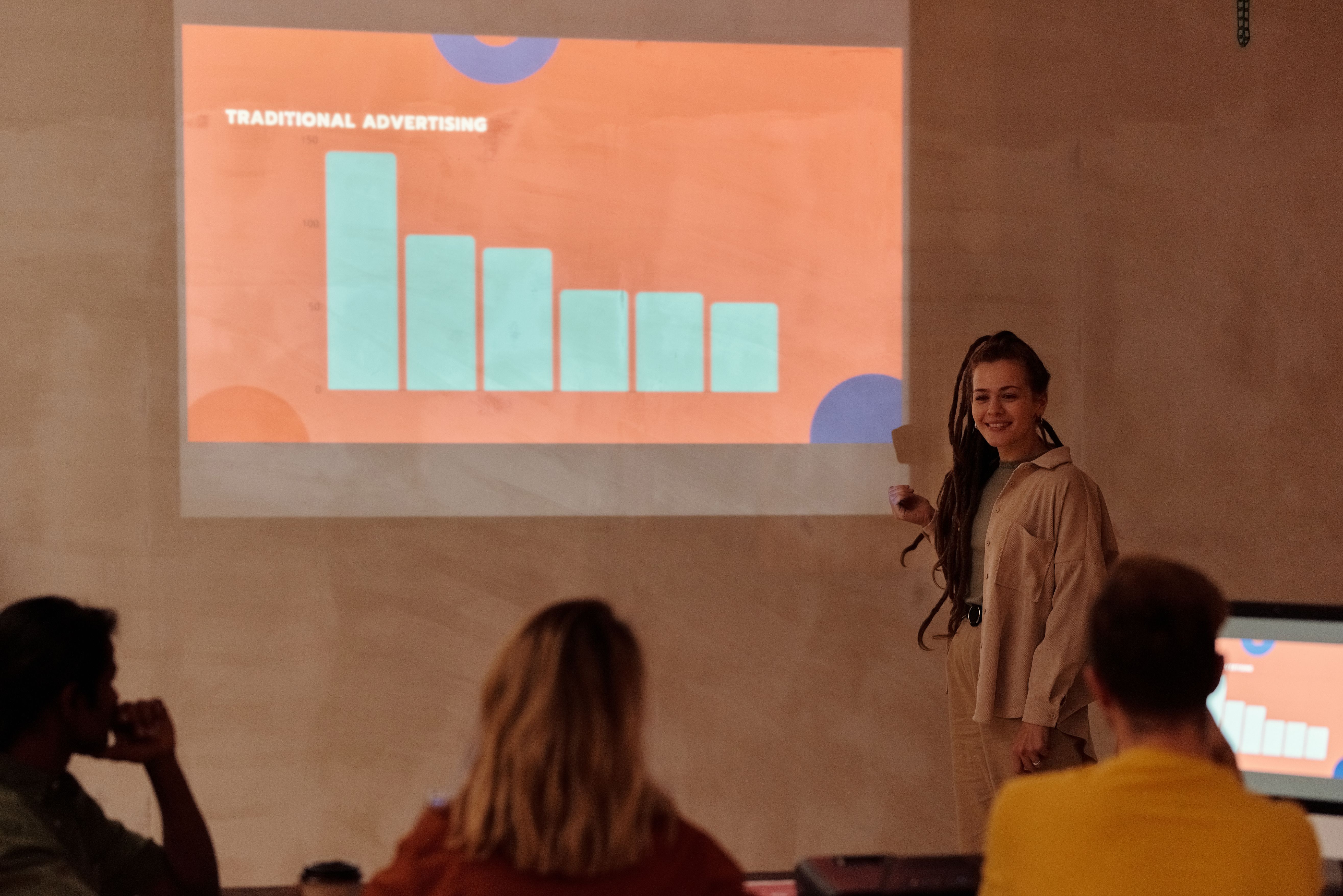
Standing in front of a conference room, ready to share your research, can seem daunting at first. A strong plan helps you organize your thoughts, deliver your message...
Jun 06, 2026

Joining a graduate student union brings a range of valuable benefits beyond having a say in university matters. Members often gain access to financial assistance, peer...
Apr 15, 2026

Planning your course registration ahead of time sets you up for a smooth experience before the semester kicks off. Mark important dates for registration, prepare all the...
Jun 10, 2026

Balancing classes, research projects, and teaching responsibilities can make it challenging to consider a change in your career direction. You might find yourself deep...
Mar 20, 2026

Searching for a summer fellowship often feels overwhelming, yet a handful of helpful tips can reveal exciting opportunities that align with your passions and enhance...
Mar 17, 2026

Teams sometimes lose direction when tasks or communication become unclear, yet a straightforward plan can help everyone stay organized and engaged. This guide presents...
Mar 31, 2026

Joining campus activities brings excitement and variety to your college journey. You can explore interests, learn valuable skills, and build friendships that continue...
May 12, 2026

Sharing your research with a wider audience can be exciting, yet the process often involves many challenges along the way. This guide offers an approachable path through...
May 02, 2026

Building a unique portfolio turns into an enjoyable process when you approach it step by step. Gather your strongest work and pay close attention to the qualities that...
Apr 25, 2026

Undergraduate research opens the door to an exciting, unfamiliar world beyond the classroom. Lab benches replace desks, and experiments take the place of lectures,...
Jun 21, 2026

Countless opportunities arise from volunteer experiences, often leading to new relationships and valuable skills you can use throughout your career. By selecting...
Mar 24, 2026