
The Top Strategies for Thriving in Virtual Learning Environments
Jul 21, 2026



Many people find themselves overwhelmed by the challenge of deciding when to study and which topics deserve the most attention. Begin by paying close attention to your current study habits. Notice the times when you lose focus, skip over difficult material, or speed through assignments. Track when your motivation peaks and where your concentration drops. By understanding these patterns, you can create a study routine that supports your natural rhythms and keeps your mind engaged, even during extended study periods. This thoughtful approach helps you make the most of each session and encourages steady progress toward your goals.
Once you understand your habits, plan your study time beyond random marathons. Aim for a timetable that allows you to maintain your pace without risking burnout. Let’s walk through how to examine your daily routines, set clear targets, and lock in tools and breaks that keep your focus sharp.
Going through these steps gives you an accurate picture of how your study time actually works instead of how you think it does. With this understanding, your next step is to set achievable goals.
Be honest and specific here. You’ll refine these goals once you choose scheduling tools that suit your style, so treat this as a plan rather than a final version.
Break large tasks into smaller, manageable goals. When each goal has a clear completion point, you will see your progress grow quickly. Make your goals specific—rather than vague “review stuff,” aim to “summarize three key concepts from Chapter 4.” This helps you understand exactly what “done” looks like.
Set a deadline for each goal. Write it on your calendar to give yourself a gentle push. Achieving small goals regularly builds momentum, giving you confidence to handle bigger projects.
Choose a planner or digital app that fits your workflow. If you prefer writing notes by hand, a paper planner helps you sketch out blocks and doodle reminders. For digital users, try Google Calendar to layer your classes, study times, and breaks.
If you work on group projects and solo tasks, efficient project boards in Trello or Notion provide an overview of all tasks. You can move cards as deadlines change. Use color codes—red for urgent essays, blue for lab preparations—to spot priorities instantly.
Pair your main tool with a simple timer app on your phone. A basic Pomodoro timer (25 minutes work, 5 minutes break) fits any schedule. It helps you avoid marathon sessions that leave you exhausted after just an hour.
Break each day into focus segments. Label slots like “Review Notes,” “Practice Problems,” or “Draft Writing.” Assign a clear purpose to each segment instead of vague “study” labels. This guides your mind to concentrate on specific tasks.
Start with high-priority tasks during your peak energy periods. If mornings feel most alert, tackle difficult readings then. Save lighter chores—checking emails, organizing files—for times when your energy dips.
Group similar activities to reduce context switching. Instead of jumping from math problems to essay writing to a group chat, set one block for problem-solving, another for writing, and one for team check-ins. This helps you stay focused longer.
Review your list daily. Mark tasks that are urgent and those that can wait. Circle your top priorities and do those first. Fill in the remaining time with other tasks.
Schedule short breaks every 45–60 minutes. Stand up, stretch, or get water before returning to work. These brief pauses refresh your brain, making the next study session less tiring.
Plan at least one longer break of 30–60 minutes during your session. Take a walk outside or prepare a snack. Let your mind shift away from intense focus to recharge.
Leave buffer periods between study blocks. Life can throw surprises—meetings may run late or a group call might overrun. Leaving 10–15 minute gaps prevents your schedule from collapsing when unexpected delays occur.
Don’t forget to include social activities and rest periods. Nights off and weekend breaks boost your motivation. Skipping them risks burnout, which slows your progress more than a short break.
At the end of each week, review what you accomplished versus your goals. Celebrate your successes and identify tasks that didn’t get done. Think about why something didn’t work: Did you underestimate how long it would take, or did a tool not serve its purpose?
Use this information to adjust your schedule. Maybe readings take twice as long as you expected; change future slots accordingly. Move less important tasks to more convenient times.
Keep a quick notes file—comments on what went well or what could improve. Over time, patterns will emerge. You might find certain subjects need shorter, more frequent sessions instead of long ones.
Then, refine your tools or timing until each study block feels effective. Treat your schedule as a work in progress, not a rigid plan you never modify.
Develop a plan that matches your energy levels, reduces distractions, and respects your rest. Each adjustment makes your study sessions more effective and rewarding.

Joining campus activities brings excitement and variety to your college journey. You can explore interests, learn valuable skills, and build friendships that continue...
May 12, 2026

Deciding whether to pursue your degree online or attend classes in person can seem like a big decision. You may find yourself weighing the comfort and flexibility of...
May 18, 2026

Tackling a major entrance test often brings a mix of nerves and anticipation, yet organizing your preparation into manageable steps makes the process much easier. Years...
Jun 15, 2026

Many students arrive on campus and quickly realize how many buildings, offices, and services surround them, often without knowing what each one offers. Finding support...
Jul 24, 2026

Finding the right mentor often marks a significant milestone for those uncertain about their next move. When you build a relationship with someone who understands your...
May 27, 2026

Landing a summer fellowship brings exciting opportunities to expand your skills and advance your career. You might find yourself working side by side with researchers in...
Jul 05, 2026

Beginning a research assistant position opens up a world of discovery, and setting clear goals helps you navigate each step. Consider what excites you the most—whether...
May 23, 2026
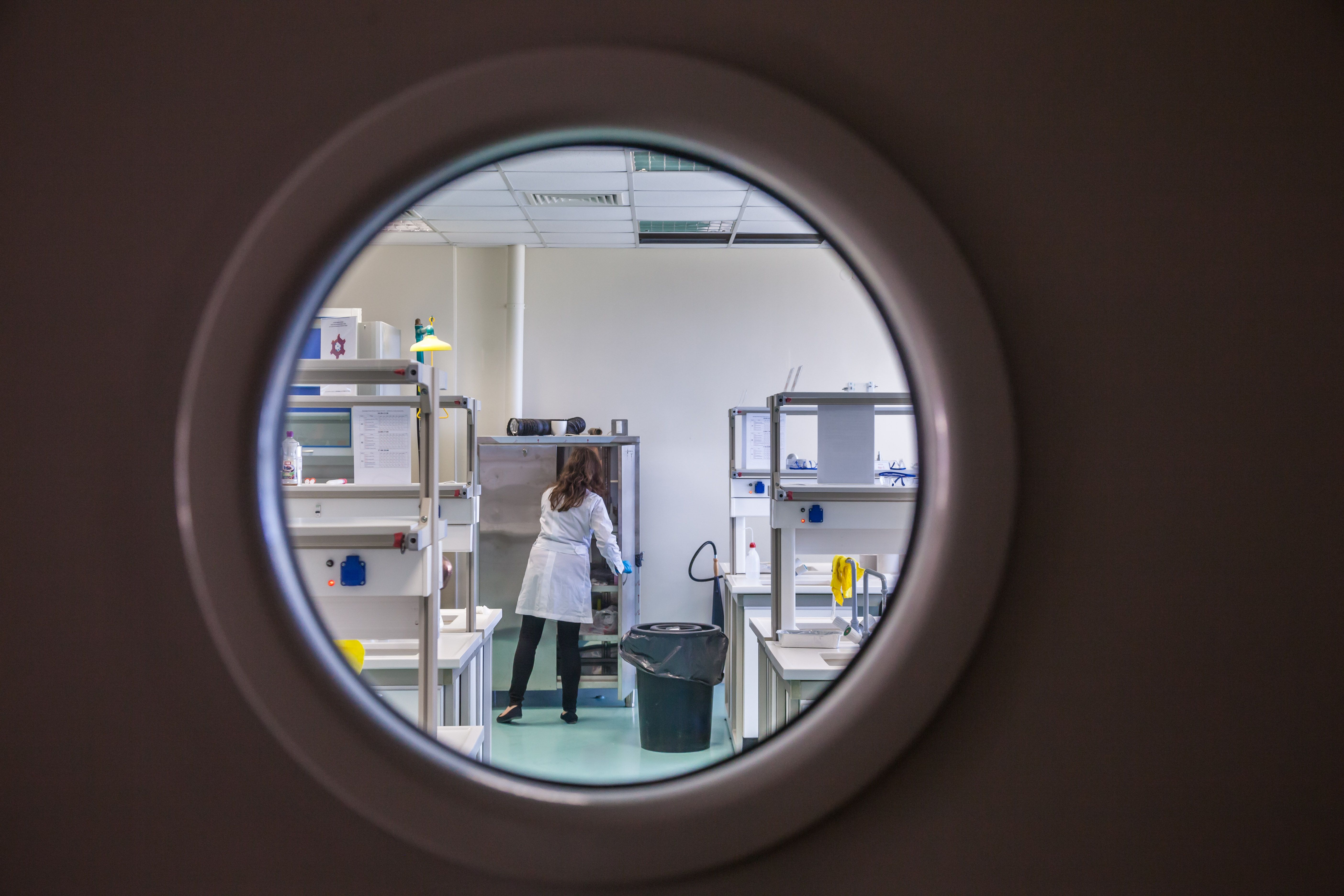
Undergraduate research opens the door to an exciting, unfamiliar world beyond the classroom. Lab benches replace desks, and experiments take the place of lectures,...
Jun 21, 2026

Building a professional network before finishing school may seem challenging at first, yet many helpful resources are already within reach on campus. Meeting new people,...
Apr 18, 2026

Building a relationship with an academic guide becomes much easier when you approach each meeting with clear intentions and thoughtful preparation. Outlining your goals,...
May 07, 2026

Finding the best university often involves sorting through countless details and weighing important options. This guide helps you focus on five key aspects to consider...
Jul 29, 2026

Many people experience nerves when standing up to speak in front of a group, whether in a classroom setting or a formal meeting. Sharing ideas with clarity and making a...
Jul 01, 2026

Joining a graduate student union brings a range of valuable benefits beyond having a say in university matters. Members often gain access to financial assistance, peer...
Apr 15, 2026

Planning your course registration ahead of time sets you up for a smooth experience before the semester kicks off. Mark important dates for registration, prepare all the...
Jun 10, 2026