
The Best Tools For Building A Compelling Digital Portfolio
Aug 16, 2026



Building a unique portfolio turns into an enjoyable process when you approach it step by step. Gather your strongest work and pay close attention to the qualities that set you apart from others in your field. By carefully selecting each piece, you highlight your skills and creativity in a way that catches the eye, whether someone views your portfolio online or in print. Take time to reflect on your personal style and the story you wish your work to tell. Presenting your accomplishments clearly not only helps you feel more confident but also leaves a memorable impression on anyone who reviews your portfolio.
Next, imagine someone scrolling through your collection. What captures their attention? Use that as your guide. Choose a theme that connects everything, and give viewers a clear path from one item to the next.
Identify what makes you different. Maybe you conduct thorough research for each project. Or perhaps you excel at weaving storytelling into data charts. Write down your strengths and select the top two or three that feel most genuine.
After creating that list, test it. Share it with a friend or mentor. If they repeat those traits back to you, you’re on the right track. If not, adjust until your description feels authentic.
This list highlights key design choices. By following these basics, you avoid clutter and keep the focus on your work.
Images leave a big impression, so choose high-quality visuals. If you include mockups, label them clearly so viewers understand they show prototypes.
Academic assignments often feel like schoolwork, but they can stand out in a portfolio. Select papers or designs you want to highlight. Then explain why you chose each piece and what you learned from it.
For each project, answer three questions: What was the goal? What steps did you take? What was the outcome? Keep descriptions around 50 words to keep readers interested.
Practical experience builds trust. If you collaborated with a student group, a local startup or volunteered your skills, include those examples. Name the organization and describe your role.
When discussing real tasks, include metrics. Did you increase web traffic by 20 percent? Did you lead a team of three students? Numbers help viewers understand your impact better.
This approach saves time when applying for jobs, internships or graduate programs. Each application feels tailored and shows you’ve done your research.
Unlisted links work well when you want control over who views your work. Place the URL in your email signature or include it on your paper resume. That way, reviewers can click directly through.
If you meet someone face-to-face, have a tablet or printed version ready. Briefly introduce three key items and mention the skills behind each. This method turns a quick look into a meaningful conversation.
Begin updating your portfolio regularly so that you always have fresh examples. After each semester or project cycle, replace older pieces with newer ones. This habit keeps your showcase current and gives you reasons to revisit and improve your presentation.
Your portfolio sparks conversations and showcases your work. Keep it honest, focused, and easy for others to explore.

Beginning a research assistant position opens up a world of discovery, and setting clear goals helps you navigate each step. Consider what excites you the most—whether...
May 23, 2026

Landing a summer fellowship brings exciting opportunities to expand your skills and advance your career. You might find yourself working side by side with researchers in...
Jul 05, 2026

Many people experience nerves when standing up to speak in front of a group, whether in a classroom setting or a formal meeting. Sharing ideas with clarity and making a...
Jul 01, 2026

Building a relationship with an academic guide becomes much easier when you approach each meeting with clear intentions and thoughtful preparation. Outlining your goals,...
May 07, 2026
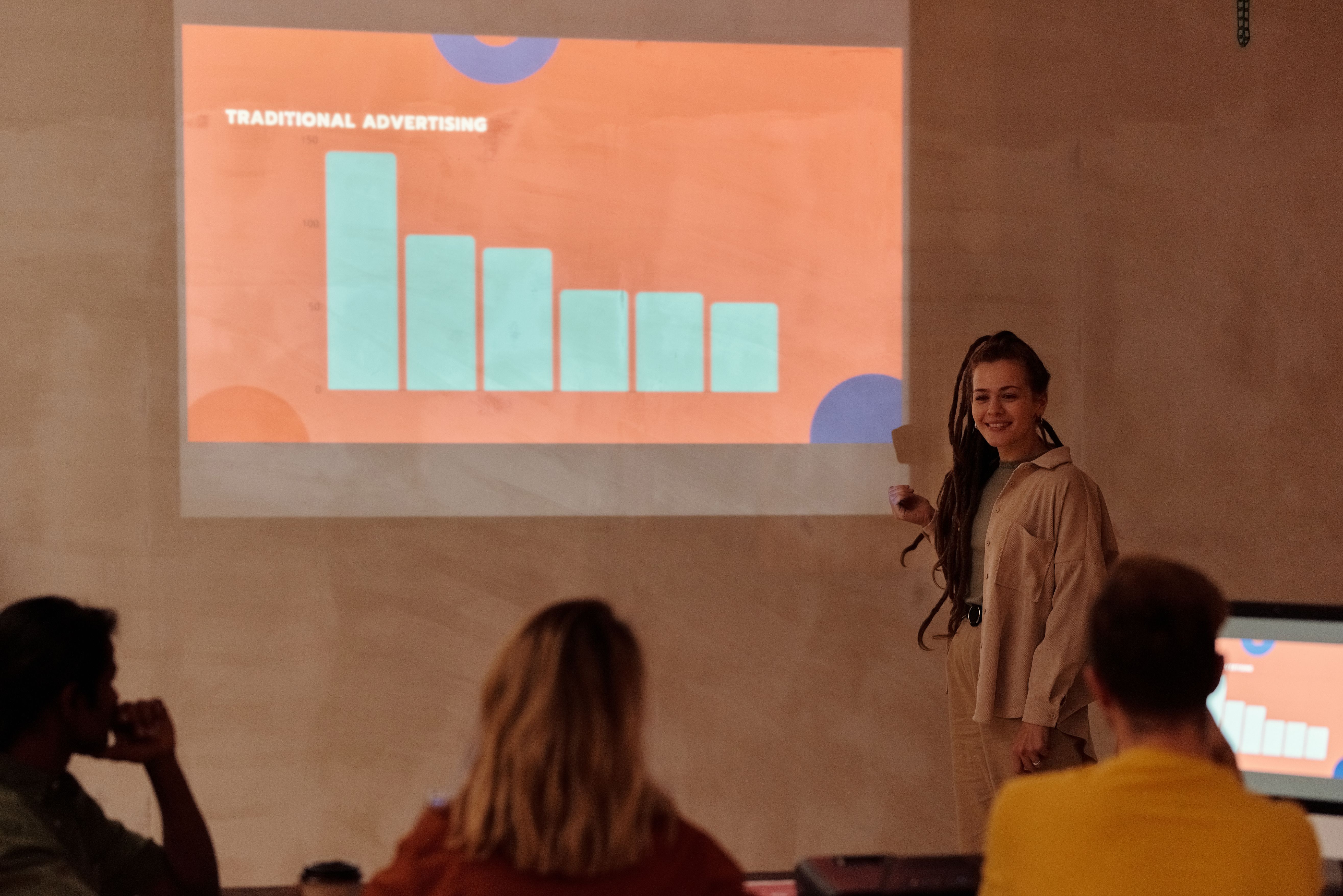
Standing in front of a conference room, ready to share your research, can seem daunting at first. A strong plan helps you organize your thoughts, deliver your message...
Jun 06, 2026

Undergraduate research opens the door to an exciting, unfamiliar world beyond the classroom. Lab benches replace desks, and experiments take the place of lectures,...
Jun 21, 2026

Sharing your research with a wider audience can be exciting, yet the process often involves many challenges along the way. This guide offers an approachable path through...
May 02, 2026

Finding the right mentor often marks a significant milestone for those uncertain about their next move. When you build a relationship with someone who understands your...
May 27, 2026

Choosing a career that suits your unique interests and abilities often feels challenging. Many people recognize the subjects they enjoy most, but linking those passions...
Jun 02, 2026

Securing a graduate school assistantship opens the door to valuable experiences and helps reduce the burden of tuition costs. These positions offer practical...
Jun 24, 2026

Reliable career outcomes data from graduate schools offers valuable insight into how alumni advance in their professions after earning their degrees. Reviewing...
Jul 10, 2026

Deciding whether to work in a campus lab or settle into a corner office at a tech hub often means weighing two distinct experiences. Each environment brings its own set...
Aug 12, 2026

Many students discover unexpected resources when they visit their university’s career services office. While resume reviews are a well-known feature, these offices offer...
Aug 02, 2026

Finding a great place to live on campus requires attention to detail and timely action. You must weigh different housing options, keep track of important application...
Apr 29, 2026