6 Surprising Benefits of Participating in Undergraduate Research Labs
Jun 21, 2026



Beginning a research assistant position opens up a world of discovery, and setting clear goals helps you navigate each step. Consider what excites you the most—whether it's analyzing patterns in data, conducting hands-on laboratory work, or influencing policy through insightful reports. Identifying your main interests allows you to choose projects and mentors that align with your aspirations. Take time to think about courses, extracurricular activities, or experiences that made you want to dig deeper into a topic. Drawing on these moments can help you focus your efforts and make the most of the opportunities that come your way as you start this new chapter.
Once you lock in your focus, jot down three specific aims, like mastering a software tool or co-authoring a paper. These aims serve as your compass when you discuss possibilities with professors or lab leaders. By naming what you want to achieve, you’ll also make a strong first impression when you reach out to potential mentors.
Clarity in your mission helps you make better decisions. Start by listing topics that excite you and skills you want to improve. You might want to enhance your coding abilities and learn statistical modeling at the same time.
Next, create a timeline. Maybe you aim to present at a conference in six months or contribute to a journal article within a year. Setting deadlines keeps you motivated and helps mentors see that you are driven and organized.
Once you’ve set these criteria, browse university websites and professional profiles. Reach out by email with a brief introduction and a few targeted questions. Personalize each message—mention a paper you found interesting or a talk they gave.
When you receive a quick reply or arrange a meeting, treat it like an interview for both sides. Prepare thoughtful questions, observe their communication style, and gauge how they respond to your enthusiasm. If it feels like a good fit, step in confidently.
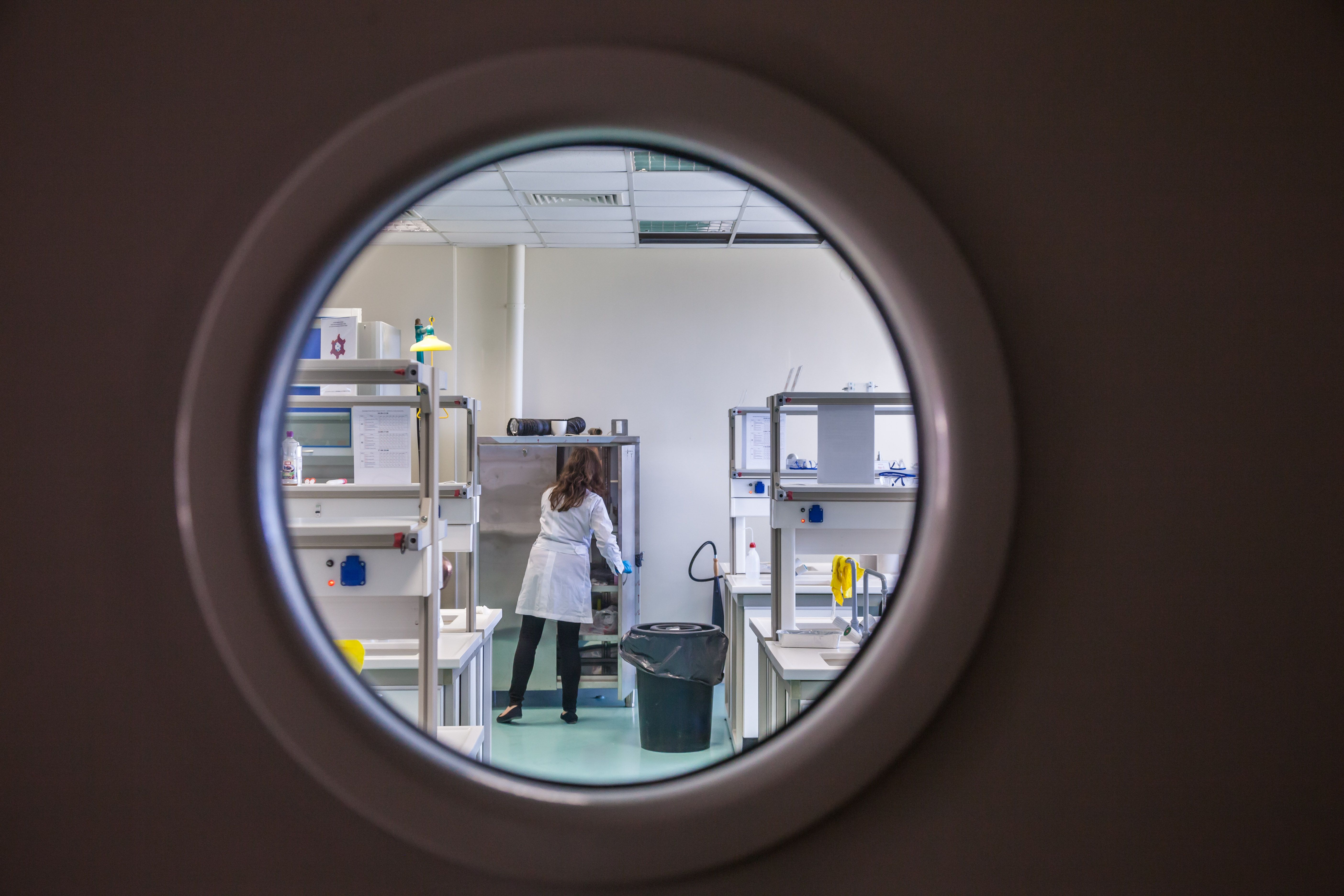
Learning foundational techniques early on gives you a real advantage. If you work in a lab, get comfortable with instruments and safety protocols. For data projects, learn R or Python through online tutorials, then practice analyzing a small dataset.
Ask for small assignments that challenge you just beyond your comfort zone. If you have never drafted a literature review, volunteer to summarize several articles. Hands-on practice helps you learn faster than just watching lectures.
Work with peers to critique each other’s work. For example, exchange code snippets or draft outlines and give constructive feedback. This teamwork accelerates your learning and shows mentors that you take initiative.
Prepare your elevator pitch: a 30-second summary of your current work and what you hope to learn next. Whenever you meet someone new, introduce yourself clearly and enthusiastically.
Use digital tools like *Overleaf* or collaborative platforms to share drafts and stay updated on project progress. Regularly engaging—while respecting others’ time—builds your presence in the community.
As you participate in experiments or data analysis, keep a record of every step. Save snapshots of code, lab notes, or slide decks. This collection becomes a strong portfolio when you apply for internships, scholarships, or future roles.
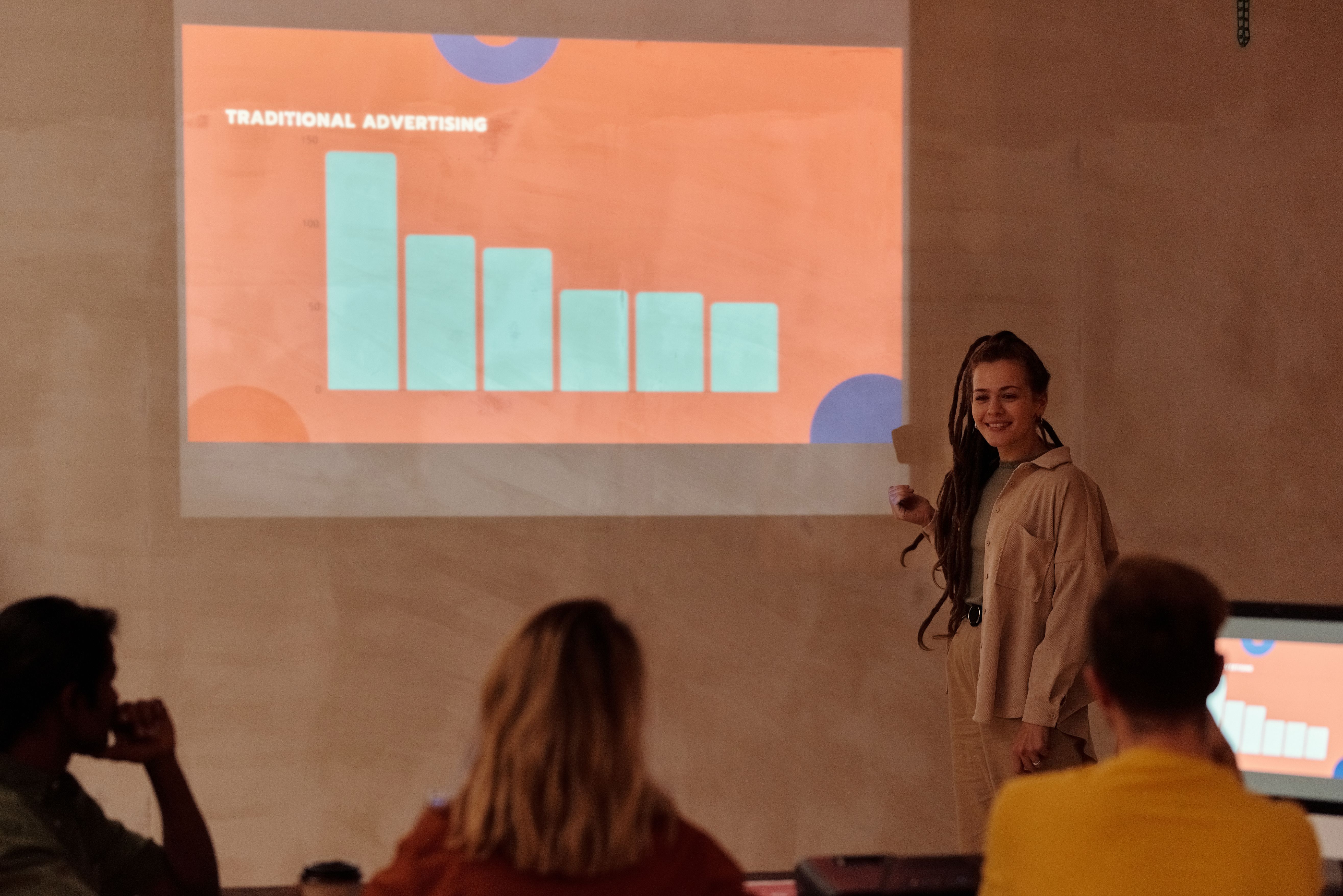
Look for opportunities to present your work. University symposiums, meetups, or internal lab meetings welcome new voices. Speaking up increases your visibility and sharpens your communication skills.
When co-authoring papers, clarify your roles early—decide who writes each section and who handles each analysis. Being proactive about authorship demonstrates your sense of fairness and responsibility.
Balancing coursework, research, and personal life can be tough. Block out weekly time slots on your calendar for key tasks: reading literature, running experiments, or coding. Treat these blocks as fixed commitments to avoid double-booking.
Break larger tasks into smaller steps, like “clean data file” and “generate summary charts,” instead of just “analyze data.” Small wins help you stay motivated and on schedule.
Set up brief weekly check-ins with your mentor or team. A 15-minute meeting early in the week helps catch issues before they grow and keeps everyone aligned. Always send a short agenda beforehand to make the most of your time.
Remember to schedule quick breaks or social interactions. Stepping away from your work can generate new ideas when you return.
Taking clear steps builds your confidence and credibility. Each task helps you learn and form connections that shape your future.

Creating a degree that weaves together art history, computer science, and environmental studies opens up a world where skills from each discipline work together in...
Aug 30, 2026

Landing a summer fellowship brings exciting opportunities to expand your skills and advance your career. You might find yourself working side by side with researchers in...
Jul 05, 2026

Deciding whether to work in a campus lab or settle into a corner office at a tech hub often means weighing two distinct experiences. Each environment brings its own set...
Aug 12, 2026

Signing up for a virtual fair opens the door to meeting recruiters from all over the world, each offering unique opportunities for internships, mentorships, or exciting...
Aug 09, 2026

Building an impressive academic portfolio involves curating your achievements and presenting them in a way that captures the attention of graduate admissions committees....
Aug 19, 2026

Finding the right mentor often marks a significant milestone for those uncertain about their next move. When you build a relationship with someone who understands your...
May 27, 2026

Finding the best university often involves sorting through countless details and weighing important options. This guide helps you focus on five key aspects to consider...
Jul 29, 2026

Finding helpful support on campus can ease the pressure of your coursework and daily responsibilities. Many students face demanding schedules or encounter challenges...
Aug 05, 2026

Exploring a unique field through direct experience can open new possibilities for your academic and professional journey. Many people feel boxed in by the usual choices,...
Sep 16, 2026

Reliable career outcomes data from graduate schools offers valuable insight into how alumni advance in their professions after earning their degrees. Reviewing...
Jul 10, 2026

Choosing a career that suits your unique interests and abilities often feels challenging. Many people recognize the subjects they enjoy most, but linking those passions...
Jun 02, 2026

Balancing classes, projects, social activities, and personal well-being can feel overwhelming during college. Across campuses worldwide, new technologies help students...
Sep 12, 2026

Paying for college often means managing tuition bills, various fees, and everyday living costs, which can seem overwhelming at times. Understanding exactly what each...
Jun 28, 2026
Standing in front of a conference room, ready to share your research, can seem daunting at first. A strong plan helps you organize your thoughts, deliver your message...
Jun 06, 2026