
6 Smart Strategies For Navigating Research Assistantships And Maximizing Career Impact
May 23, 2026



Undergraduate research opens the door to an exciting, unfamiliar world beyond the classroom. Lab benches replace desks, and experiments take the place of lectures, offering the chance to work closely with faculty and tackle real questions that textbooks never address. This new environment prompts you to solve problems, think critically, and adapt quickly, revealing interests and abilities you might never have found through regular coursework. Whether you’re mixing chemicals, analyzing data, or gathering responses for a study, you gain valuable experience and practical skills that go far beyond what traditional assignments can provide. Each day in the lab brings unexpected lessons and opportunities for personal growth.
By the end of your first semester in a lab, you’ll notice growth that goes way past your GPA. You’ll develop a sharper eye for detail, learn to talk through complex ideas, and connect with mentors who really care about your progress. Let’s dive into six surprising advantages you’ll gain from taking the plunge into undergraduate research.
Stepping into a lab introduces you to equipment, software, and techniques that most students never touch until grad school. You learn to run analyzers, sift through data sets, or craft survey questions that yield reliable results. Every time you troubleshoot an experiment or optimize a procedure, you sharpen practical skills and cut down on the mistakes you’d otherwise repeat.
Beyond technical know-how, you pick up soft skills at the same time. You’ll compose clear progress reports, take detailed notes, and present findings to your group. Each of these tasks demands precision and confidence. Before long, you’ll handle tasks that once intimidated you without breaking a sweat.
Running research projects forces you to ask “why” at every stage. You learn to break problems down into manageable parts, test variables one by one, and draw conclusions based on real data. That way of thinking spills into your coursework, making essays and projects sharper and more compelling.
Laboratory teams often include graduate students, postdocs, and professors eager to guide newcomers. Working on experiments with them helps you develop relationships that extend far beyond your campus. These connections can lead to summer internships, conference invitations, or recommendation letters that stand out.
Mentors offer honest advice on grad school applications, career paths, and balancing work with life. When you meet weekly to discuss results, you also gain insights into what keeps a successful scientist or scholar motivated. Each meeting helps you shape your own goals and strategies for reaching them.
Unlike classroom experiments designed for clear outcomes, real research often has unexpected twists. You might spend days troubleshooting a protocol or adapt methods when supplies run low. Those moments teach persistence and creativity—qualities employers and graduate programs value.
Even if you shift fields later, the habits and credentials you collect in a lab carry over. You learn to collect reliable data, write technical summaries, and work within deadlines—all core expectations in many professions.
Overcoming tough challenges in research builds a strong sense of pride. When you finally debug a stubborn piece of code or replicate a critical experiment, you see firsthand what you can achieve. That confidence spills into other areas, whether you lead a study group or volunteer for campus events.
Research also teaches resilience. Experiments can fail, budgets can get cut, and plans can shift. Learning to adjust and keep going prepares you for real-world setbacks. You develop a mindset that values progress over perfection.
Starting undergraduate research provides valuable skills, improved thinking, and useful connections. Take charge of your learning journey and see how much you can gain.

Building connections with those who share your passion for academics can significantly enhance your journey through research and coursework. A mentor brings valuable...
Mar 04, 2026

Joining a graduate student union brings a range of valuable benefits beyond having a say in university matters. Members often gain access to financial assistance, peer...
Apr 15, 2026

Choosing the best direction for your academic journey calls for careful thought. Honors programs highlight benefits such as close mentorship, rigorous coursework, and a...
Mar 07, 2026

Searching for a summer fellowship often feels overwhelming, yet a handful of helpful tips can reveal exciting opportunities that align with your passions and enhance...
Mar 17, 2026

Countless opportunities arise from volunteer experiences, often leading to new relationships and valuable skills you can use throughout your career. By selecting...
Mar 24, 2026

Finding the right mentor often marks a significant milestone for those uncertain about their next move. When you build a relationship with someone who understands your...
May 27, 2026

Earn credentials that fit easily into your schedule and highlight skills beyond your college diploma. You can acquire specialized knowledge directly from professionals,...
Mar 13, 2026

Crafting a memorable fellowship application begins with more than just collecting transcripts and listing achievements. After outlining your goals and discussing your...
Feb 21, 2026

Building a relationship with an academic guide becomes much easier when you approach each meeting with clear intentions and thoughtful preparation. Outlining your goals,...
May 07, 2026

Finding financial support for research often seems overwhelming when you’re balancing coursework, lab work, and tight schedules. Breaking the process down into...
Feb 24, 2026

Choosing a career that suits your unique interests and abilities often feels challenging. Many people recognize the subjects they enjoy most, but linking those passions...
Jun 02, 2026

Joining campus activities brings excitement and variety to your college journey. You can explore interests, learn valuable skills, and build friendships that continue...
May 12, 2026

Taking your research from initial idea to publication involves a series of practical steps that help simplify what can seem like a complex process. Begin by identifying...
Mar 27, 2026
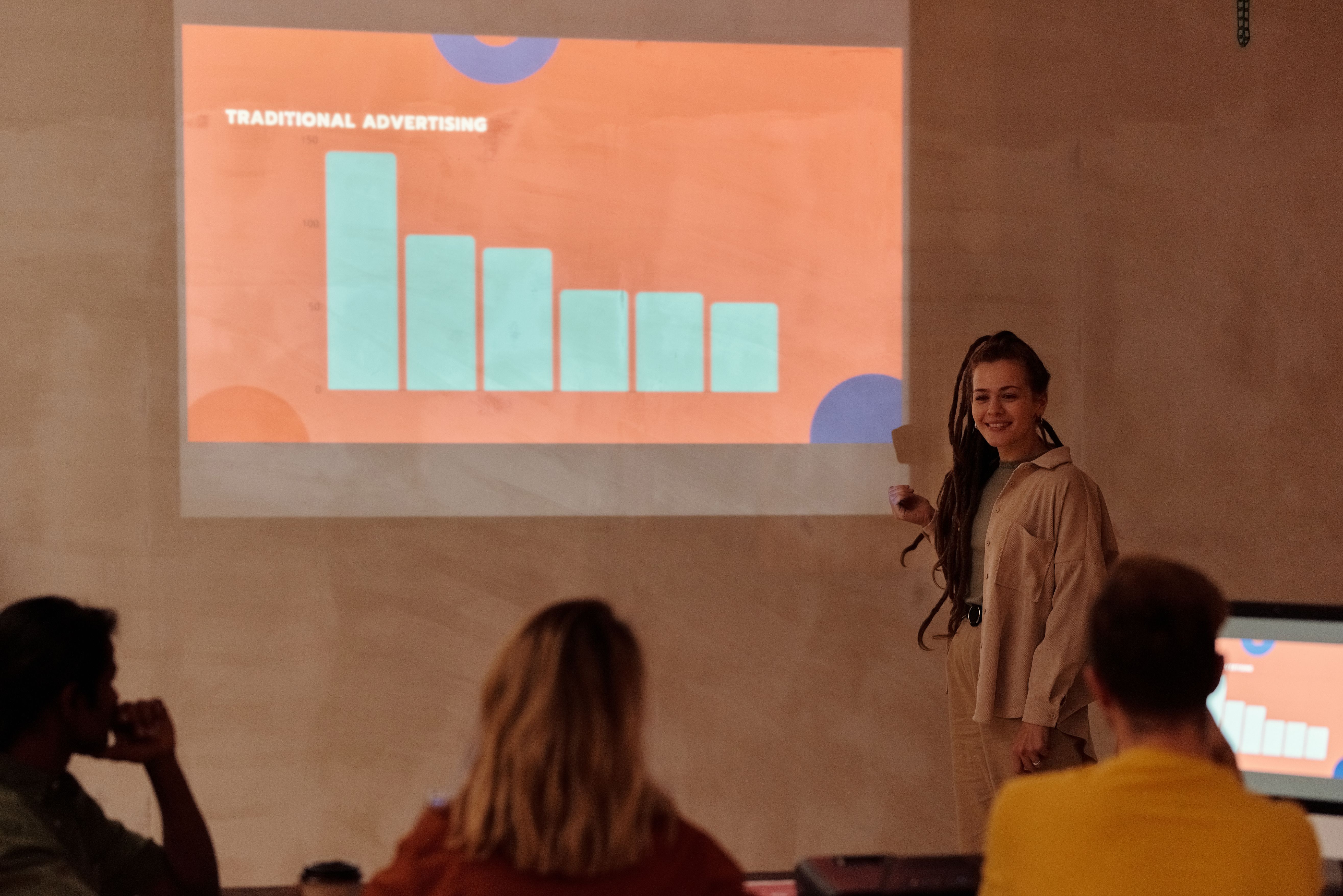
Standing in front of a conference room, ready to share your research, can seem daunting at first. A strong plan helps you organize your thoughts, deliver your message...
Jun 06, 2026