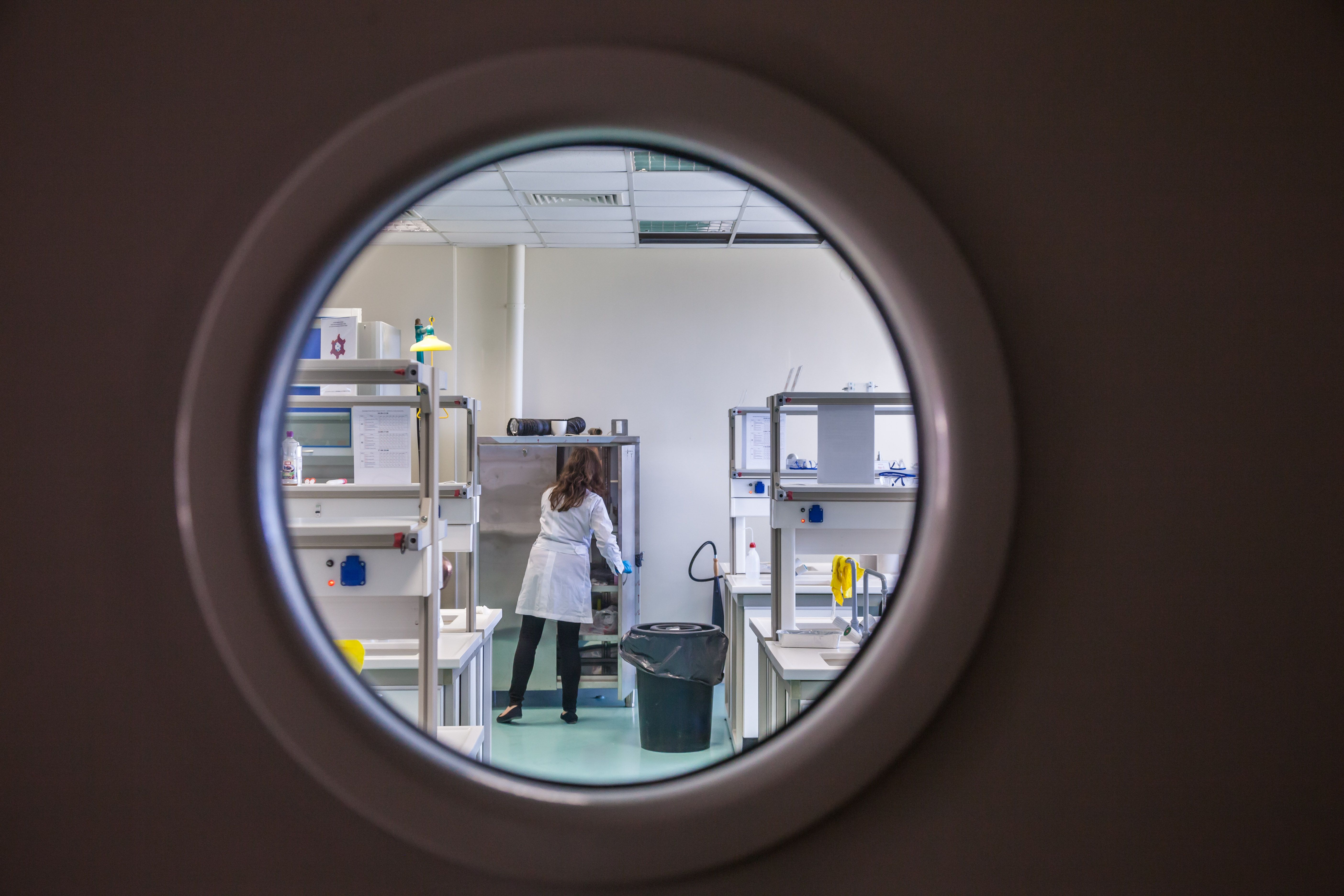
6 Surprising Benefits of Participating in Undergraduate Research Labs
Jun 21, 2026



Securing a graduate school assistantship opens the door to valuable experiences and helps reduce the burden of tuition costs. These positions offer practical involvement, guidance from experienced mentors, and a chance to dive deeper into your chosen area of study. Treating the search and application as a well-organized process—with specific objectives, thorough research, and tailored materials—sets you apart from other candidates. By doing so, you can access roles that strengthen your abilities, expand your professional network, and increase your self-assurance as you progress through your academic career.
This guide walks through everything from understanding different assistantship types to acing interviews and balancing your workload. You’ll find practical tips for each step, along with real examples you can adapt immediately. Let’s jump in.
Assistantships combine paid work with academic growth. Expect around 10–20 hours per week, depending on your program. Recognize each role’s demands so you can match your skills and interests effectively.
Begin by browsing departmental websites and faculty pages. Professors often post openings for lab work or course support. Save pages where professors list their publications or current grants—they indicate active projects that might need help.
Join campus mailing lists and follow social media channels related to your field. Graduate student associations and research centers regularly circulate calls for applicants. Setting up keyword alerts on your institution’s job portal saves time by notifying you when “assistantship” openings appear.
Attend info sessions and chat with current assistants over coffee. They share insider tips about professors’ expectations and the application process. By shadowing a TA session or checking a lab’s bulletin board, you’ll find opportunities that might not be advertised widely.
Research professors’ recent work on platforms like *Google Scholar* and *LinkedIn*. Customize your approach by referencing their studies in your cover letter. Showing genuine interest in a faculty member’s project helps establish rapport early and demonstrates you’ve done your homework.
Every part of your application should reinforce why you are a good match for that assistantship. When reviewers see consistency between your experiences, goals, and the role’s requirements, they’ll sense you can start contributing effectively right away.
Consider including a brief teaching statement (for TA roles) or a research proposal (for RA positions). Match these documents to departmental goals—for example, if a lab focuses on sustainable materials, explain how your background in polymer analysis aligns with that focus.
Once you start, clarify expectations with your supervisor early on in your first meeting. Discuss weekly hours, grading criteria, lab protocols, or office responsibilities. Keep a shared document to track deadlines, meeting notes, and progress updates.
Build strong communication habits. Send concise emails summarizing next steps after meetings. If you notice recurring student questions, suggest solutions like a quick tutorial sheet. Being proactive in offering help makes you stand out more than just completing assigned tasks.
Ask for feedback regularly. Schedule mid-semester check-ins to discuss your strengths, areas for improvement, and any concerns. This practice helps you adapt and improve before formal evaluations.
Look for small ways to contribute beyond your main duties: host review sessions for students, improve data collection methods in the lab, or digitize old departmental records. These efforts show initiative without requiring large time commitments.
Keep track of your hours each week. Use a simple spreadsheet or time-tracking app to log tasks and time spent. This helps prevent overload and signals when you should negotiate responsibilities with your supervisor.
Prioritize tasks based on their deadline and importance. If grading piles up or a paper deadline approaches, communicate with your supervisor about temporarily shifting hours. Most advisors appreciate advance notice over last-minute surprises.
Group similar tasks together. Dedicate one day to grading, another for lab work or lesson planning, and set aside specific blocks for your coursework. Batch processing reduces mental switching and keeps you focused.
Avoid neglecting personal time. Schedule short breaks between tasks to stretch or take a walk. Setting boundaries between assistant duties and personal study helps protect your mental health and academic success.
Viewing an assistantship as a partnership helps you build skills and expand your network. Stay organized and focused on your goals to make the most of the experience.

Joining a graduate student union brings a range of valuable benefits beyond having a say in university matters. Members often gain access to financial assistance, peer...
Apr 15, 2026

Planning your course registration ahead of time sets you up for a smooth experience before the semester kicks off. Mark important dates for registration, prepare all the...
Jun 10, 2026

Balancing classes, research projects, and teaching responsibilities can make it challenging to consider a change in your career direction. You might find yourself deep...
Mar 20, 2026

Building connections with those who share your passion for academics can significantly enhance your journey through research and coursework. A mentor brings valuable...
Mar 04, 2026

Searching for a summer fellowship often feels overwhelming, yet a handful of helpful tips can reveal exciting opportunities that align with your passions and enhance...
Mar 17, 2026

Beginning a research assistant position opens up a world of discovery, and setting clear goals helps you navigate each step. Consider what excites you the most—whether...
May 23, 2026

Finding the right mentor often marks a significant milestone for those uncertain about their next move. When you build a relationship with someone who understands your...
May 27, 2026

Many students face a wide range of options when deciding where to continue their studies, and the possibilities extend far beyond the typical choices. A world of unique...
May 09, 2026

Building a relationship with an academic guide becomes much easier when you approach each meeting with clear intentions and thoughtful preparation. Outlining your goals,...
May 07, 2026

Building a unique portfolio turns into an enjoyable process when you approach it step by step. Gather your strongest work and pay close attention to the qualities that...
Apr 25, 2026

Choosing a career that suits your unique interests and abilities often feels challenging. Many people recognize the subjects they enjoy most, but linking those passions...
Jun 02, 2026

Taking control of your career path starts with understanding your current position and identifying what you truly want to accomplish. Begin by assessing your strengths,...
Apr 22, 2026

Building a professional network before finishing school may seem challenging at first, yet many helpful resources are already within reach on campus. Meeting new people,...
Apr 18, 2026

Taking your research from initial idea to publication involves a series of practical steps that help simplify what can seem like a complex process. Begin by identifying...
Mar 27, 2026