
How To Leverage Mentorship Programs For Long-Term Professional Growth
May 27, 2026



Deciding whether to work in a campus lab or settle into a corner office at a tech hub often means weighing two distinct experiences. Each environment brings its own set of challenges, routines, and opportunities for growth. One offers the chance to immerse yourself in research and hands-on discovery, while the other places you at the center of industry innovation and collaboration. As you stand at this crossroads, take the time to reflect on your personal priorities and values. Understanding what you truly want helps you take the next step with assurance, guiding your decision with a clear sense of purpose rather than uncertainty or pressure.
You already know that pay and title matter, but you also desire purpose, growth, and a solid culture. This guide breaks down key factors so you can compare offers side by side. You’ll find clear tips and real examples that speak to where you stand in your academic journey or career launch.
First, reflect on why you started this pursuit. Are you motivated by discovery and teaching? Or do you want to develop a product that millions use daily? Defining your “why” helps you evaluate each offer. When you understand your goals, you make choices that feel right instead of chasing perks you might never need.
Next, list the essentials you need outside of work. Maybe you value flexible hours for side projects or require solid health coverage for your family. Write down what you cannot compromise on and rank each item. This ranked list becomes your secret tool for assessing each offer against your true needs.
Money matters, but the details in benefits can influence your decision. Sometimes a slightly lower salary combined with a comprehensive benefits package exceeds a higher paycheck with minimal perks. Add up every dollar of value before making your choice.
Use this numbered list to compare salary and perks:
Growth influences your long-term path more than immediate pay. Seek clear steps to improve your skills and gain new titles. Some workplaces excel in structured reviews with set milestones. Others allow you to chart your own course through side projects and mentorship.
List what you need for progress:
Culture influences your daily mood and creativity. A quiet lab bench might suit someone who needs focus. A lively open office could spark big ideas for a different personality. Talk to future coworkers to get honest insights.
You can ask questions like, “What time does most work finish?” or “Do people socialize after hours?” A student I know interviewed at *Intel* and at a top university lab. The lab offered scholarship dinners, while *Intel* organized hackathons on weekends. That firsthand information made the decision clear.
Academic roles often give you more freedom to pursue blue-sky research. You choose topics, write proposals, and push the boundaries of knowledge. Remember to consider grant writing, journal deadlines, and committee tasks that come with this freedom.
In industry, teams focus on fast cycles and specific metrics. You release features or products, not papers. This pace suits those who thrive under tight deadlines and enjoy seeing tangible results. Think about whether you want to publish a paper or launch a new feature as your main measure of success.
After analyzing each factor, organize your assessments into a simple grid. Label columns for each offer and rows for priorities such as salary, growth, culture, research scope, and commute time. Assign scores from 1 to 5. The side with the highest total indicates which offer best matches your list.
If scores are tied, examine the highest-priority items more closely. For example, if mentorship matters most and two offers tie, choose the one that guarantees weekly one-on-one sessions. This approach helps you step in with clear expectations and confidence in where you will excel.
Trust your list and instincts to choose the path that feels right for your next step. You are prepared to make an informed decision based on your research.

Undergraduate research opens the door to an exciting, unfamiliar world beyond the classroom. Lab benches replace desks, and experiments take the place of lectures,...
Jun 21, 2026

Paying for college often means managing tuition bills, various fees, and everyday living costs, which can seem overwhelming at times. Understanding exactly what each...
Jun 28, 2026

Choosing a career that suits your unique interests and abilities often feels challenging. Many people recognize the subjects they enjoy most, but linking those passions...
Jun 02, 2026

Finding the best university often involves sorting through countless details and weighing important options. This guide helps you focus on five key aspects to consider...
Jul 29, 2026

Building a relationship with an academic guide becomes much easier when you approach each meeting with clear intentions and thoughtful preparation. Outlining your goals,...
May 07, 2026

Building a unique portfolio turns into an enjoyable process when you approach it step by step. Gather your strongest work and pay close attention to the qualities that...
Apr 25, 2026

Beginning a research assistant position opens up a world of discovery, and setting clear goals helps you navigate each step. Consider what excites you the most—whether...
May 23, 2026

Many students discover unexpected resources when they visit their university’s career services office. While resume reviews are a well-known feature, these offices offer...
Aug 02, 2026

Signing up for a virtual fair opens the door to meeting recruiters from all over the world, each offering unique opportunities for internships, mentorships, or exciting...
Aug 09, 2026

Taking control of your career path starts with understanding your current position and identifying what you truly want to accomplish. Begin by assessing your strengths,...
Apr 22, 2026

Building a professional network before finishing school may seem challenging at first, yet many helpful resources are already within reach on campus. Meeting new people,...
Apr 18, 2026

Reliable career outcomes data from graduate schools offers valuable insight into how alumni advance in their professions after earning their degrees. Reviewing...
Jul 10, 2026

Sharing your research with a wider audience can be exciting, yet the process often involves many challenges along the way. This guide offers an approachable path through...
May 02, 2026
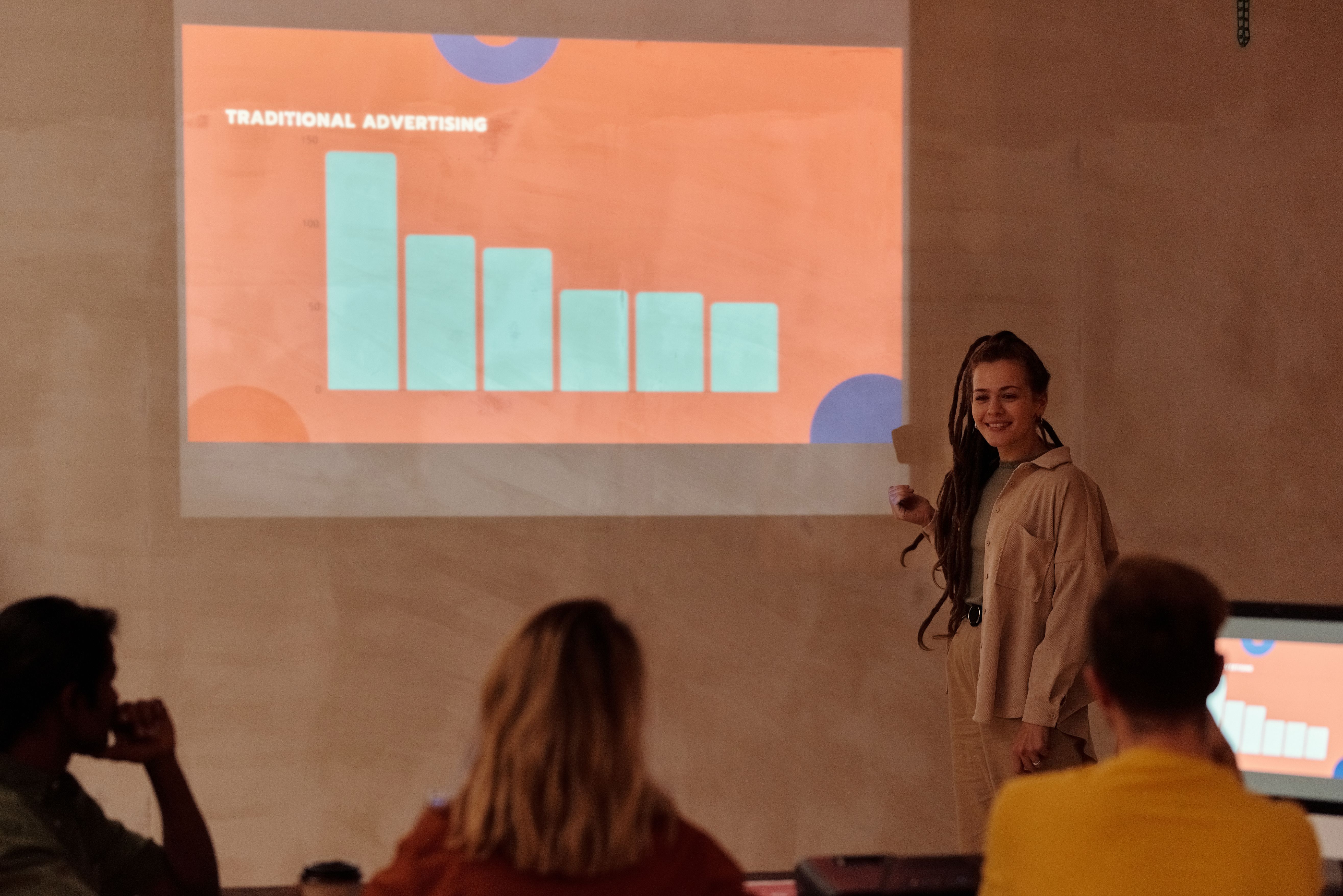
Standing in front of a conference room, ready to share your research, can seem daunting at first. A strong plan helps you organize your thoughts, deliver your message...
Jun 06, 2026