
5 Best Career Assessment Tools To Clarify Your Professional Path
Jun 02, 2026



Creating an impressive portfolio often seems challenging while juggling coursework, research, and upcoming presentations. Showcasing your top projects should be simple and efficient, allowing you to make the most of your limited time. Choosing a user-friendly platform streamlines the process, eliminating unnecessary complications and letting you express your unique style through different layouts. Updating your site with new projects or making small design changes becomes straightforward, so you can direct your attention to developing and displaying your work rather than getting caught up in technical details or maintenance tasks.
This guide walks through key features you’ll want, ranks top tools, and digs into real-life tips for making your portfolio shine. You’ll find pointers that suit lab reports, design mockups, coding samples, and written pieces. Whether you aim for grad school, internships, or freelance gigs, you can pick a tool that supports your goals and keeps everything organized.
*WordPress* provides thousands of themes and plugins that adapt to any field. You can add a blog section for research updates and a gallery for art or design work. The open-source community keeps releasing new tools to improve site speed, SEO, and security.
You control hosting, so you choose your server, backups, and performance settings. Even if you’re new to web design, built-in wizards and page builders help you arrange columns, headers, and footers with a drag-and-drop interface.
*Wix* offers AI-driven suggestions that help you tailor your site structure to your presentation needs. A simple quiz helps you identify which layout best highlights case studies or creative portfolios. It provides pixel-perfect design controls so you can place elements exactly where you want.
*Wix*’s app marketplace adds contact forms, event calendars, and chat features. You can test premium features on a free plan before committing to a paid tier if you need custom domain hosting or e-commerce options.
*Behance* caters to visual artists and designers. Its community focus channels feedback via comments and appreciations. You upload images, embed videos, and tag each project for easy discovery.
*Behance* integrates with *Adobe Portfolio*, so your creative work syncs across tools. If you use Photoshop or Illustrator, capturing high-res previews takes just one click.
*Weebly* offers simple layouts and built-in commerce features. You drag elements onto the canvas, then customize text, media, and buttons. A step-by-step editor guides you through SEO settings and mobile previews.
It’s perfect for a quick setup or proof of concept. You can add a blog section or password-protect certain pages for sharing private drafts with mentors or committee members.
*Adobe Portfolio* works seamlessly with *Behance* and Creative Cloud. You choose from curated layouts designed for photographers, illustrators, and UX designers. Automatic image optimization ensures fast loading without quality loss.
If you store assets in Lightroom or Bridge, they appear instantly in your portfolio builder. You can swap images, reorder slides, and update captions in seconds.
Begin by listing your top three requirements: ease of use, design flexibility, or community feedback. If you want detailed design control, choose platforms with drag-and-drop editors or open-source themes. If engaging with a community matters, pick sites with active user networks.
Next, sketch a rough site map on paper or in a note app. Decide which sections you need—about me, project details, blog, contact info—and estimate how many pages you will have. Tools with built-in templates for each page type save you setup time. Take advantage of free trials to test formatting and mobile previews before subscribing.
Keep your layout simple and uncluttered. Viewers should easily see project titles, summaries, and visual proofs at a glance. Use a consistent style for headings, paragraph text, and captions. Limit yourself to two fonts to keep readability and visual harmony.
Give each project a clear headline followed by a brief description of your role, objectives, and results. Add visuals like screenshots, photos, or data charts. If you include code samples, embed interactive snippets or link to a public repository for viewers who want to explore further.
Label sections for quick scanning. A “Creative Work” category differs from “Research Publications.” Use subtle separators or colored backgrounds to distinguish them. Always test your design on mobile screens to ensure layouts adapt correctly.
Update your portfolio regularly, especially after completing significant projects. Archiving older work shows your growth and keeps the main page fresh. Create a private folder or password-protected page for drafts and works in progress to gather feedback without cluttering your live site.
Break down complex research into small, easy-to-understand summaries. Use bullet lists or numbered steps to outline your methodology. Highlight key findings with bold text or icons to direct readers’ attention.
Embed interactive elements—slideshows for posters, videos of lab experiments, or live data visualizations. Interactive content increases engagement and displays your technical skills. For code-based projects, link to GitHub or include a live demo hosted on free services like *Netlify* or *GitHub Pages*.
Provide context for each project: explain funding sources, team size, or collaboration details. A short “about the project” box helps viewers understand its scope. When listing awards or conference presentations, include event names and dates. These details add credibility and demonstrate your active involvement in academic circles.
Include testimonials or endorsements from professors, mentors, or team leaders. A brief quote adds social proof and emphasizes your real-world impact. Place these near the top of your homepage or within individual project pages for extra emphasis.
Link to downloadable files or published papers. If you share a PDF of your thesis or an accepted journal article, host them directly on your site and note the publication status. Always confirm copyright permissions when sharing third-party content.
Briefly outline your future goals or upcoming research to show ongoing development. A “Next Steps” or “In Progress” section invites readers to check back on your progress.
Use gallery views or sliders for visual projects. For written or technical work, include an excerpt and a “Read More” link that opens the full document in a new tab.
Choose your best work carefully. Display only your strongest pieces. Too many entries dilute your message. Aim for 8–12 top projects that showcase your skills and range.
As you improve your portfolio, ask peers or advisors for honest feedback on clarity and navigation. A fresh perspective often finds gaps or confusing layouts you might overlook.
Choose the right platform and set up your portfolio carefully. Regularly update it so your work clearly shows your progress.

Signing up for a virtual fair opens the door to meeting recruiters from all over the world, each offering unique opportunities for internships, mentorships, or exciting...
Aug 09, 2026

Landing a summer fellowship brings exciting opportunities to expand your skills and advance your career. You might find yourself working side by side with researchers in...
Jul 05, 2026
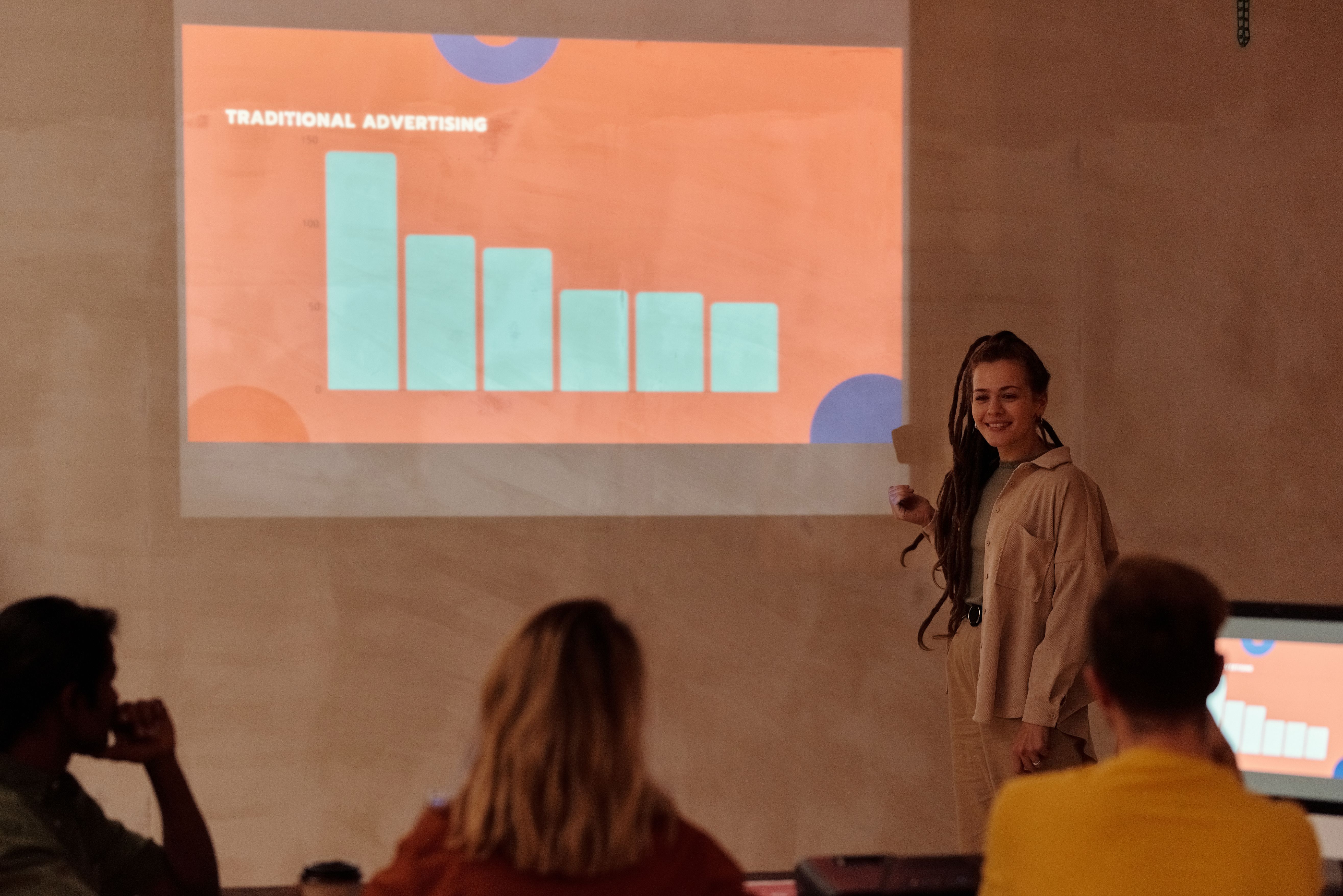
Standing in front of a conference room, ready to share your research, can seem daunting at first. A strong plan helps you organize your thoughts, deliver your message...
Jun 06, 2026

Taking control of your career path starts with understanding your current position and identifying what you truly want to accomplish. Begin by assessing your strengths,...
Apr 22, 2026

Many students arrive on campus and quickly realize how many buildings, offices, and services surround them, often without knowing what each one offers. Finding support...
Jul 24, 2026

Building a relationship with an academic guide becomes much easier when you approach each meeting with clear intentions and thoughtful preparation. Outlining your goals,...
May 07, 2026

Securing a graduate school assistantship opens the door to valuable experiences and helps reduce the burden of tuition costs. These positions offer practical...
Jun 24, 2026

Finding the best university often involves sorting through countless details and weighing important options. This guide helps you focus on five key aspects to consider...
Jul 29, 2026

Many students face a wide range of options when deciding where to continue their studies, and the possibilities extend far beyond the typical choices. A world of unique...
May 09, 2026

Deciding whether to work in a campus lab or settle into a corner office at a tech hub often means weighing two distinct experiences. Each environment brings its own set...
Aug 12, 2026

Finding the right mentor often marks a significant milestone for those uncertain about their next move. When you build a relationship with someone who understands your...
May 27, 2026

Building a professional network before finishing school may seem challenging at first, yet many helpful resources are already within reach on campus. Meeting new people,...
Apr 18, 2026

Sharing your research with a wider audience can be exciting, yet the process often involves many challenges along the way. This guide offers an approachable path through...
May 02, 2026

Online classrooms now offer a practical and accessible option for continuing education and skill-building. Learning how to use these platforms well can greatly improve...
Jul 21, 2026