
6 Smart Strategies For Navigating Research Assistantships And Maximizing Career Impact
May 23, 2026



Confidence fills the room as you join a meeting and share your ideas with ease. You listen attentively, nodding in understanding, and contribute thoughtful questions that spark new discussions. These soft skills play a key role in making daily interactions more meaningful and productive. When you communicate with genuine curiosity and engage fully with others, you create lasting connections that set you apart. Rather than relying on empty phrases, you build trust and encourage collaboration through authentic dialogue. Every conversation becomes a chance to show your strengths and leave a positive, memorable impact on your team.
Developing soft skills requires intention and practice. By pinpointing which areas need the most attention, using hands-on methods, and reflecting on what works, you’ll build a toolkit that feels authentic. Whether you’re in a lab, a classroom, or an internship space, boosting these abilities helps you navigate complex projects and stand out in professional spaces.
Each of these skills connects with the next. Strong communication improves teamwork. Emotional intelligence helps you adapt when stress arises. Concentrating on just a couple at a time makes skill development manageable.
Discovering which tactic works best for you often involves trying several. You might find that visuals help your peers remember your points better or that friendly debates boost your confidence under pressure.
Emotional intelligence begins with noticing raw feelings without judging them. Do a quick check-in twice a day: pause and ask, “What am I feeling right now?” Label emotions—frustration, excitement, fatigue—so you can decide whether to take a break or push forward.
Next, observe others. If a lab partner sighs after a failed experiment, your immediate response can set the tone. You might say, “That looked tough. Want to talk through what happened?” That simple invitation shows you value feelings, not just results.
Over time, you will notice patterns. Maybe you tense up when deadlines approach. Once you recognize that cycle, practice a short breathing exercise before jumping into work so stress doesn’t hijack your focus.
Teamwork improves when you combine structure with flexibility. Clear plans guide the group, and room for brainstorming sparks new ideas. You’ll notice the dynamic shift once trust becomes established.
First impressions go beyond a firm handshake. In digital spaces, your email tone, profile photo, and responses in group chats all shape how people see you. Choose a style that reflects your personality—a friendly but concise tone that invites collaboration.
Create a simple portfolio or blog that highlights projects you’re proud of. Pair a short story about the challenges you faced with images or links. When you describe a lab experiment or a research paper, focus on the decisions you made and what you learned, not just the final outcome.
At networking events, ask targeted questions. Instead of “What do you do?” say, “What project has challenged you the most this year?” Genuine curiosity helps start deeper conversations.
Always follow up with a brief note that reminds the person who you are and comments on something you discussed. This small gesture reinforces your presence and shows you care about the connection.
By combining clear communication, emotional understanding, teamwork habits, and a consistent personal brand, you create a professional profile that feels genuine. Each interaction becomes an opportunity to stand out.
Focus on one skill each week and make small adjustments to improve your chances. When you join a project discussion or networking event, you'll feel more prepared to contribute.

Finding the right mentor often marks a significant milestone for those uncertain about their next move. When you build a relationship with someone who understands your...
May 27, 2026

Many people experience nerves when standing up to speak in front of a group, whether in a classroom setting or a formal meeting. Sharing ideas with clarity and making a...
Jul 01, 2026

Creating a degree that weaves together art history, computer science, and environmental studies opens up a world where skills from each discipline work together in...
Aug 30, 2026
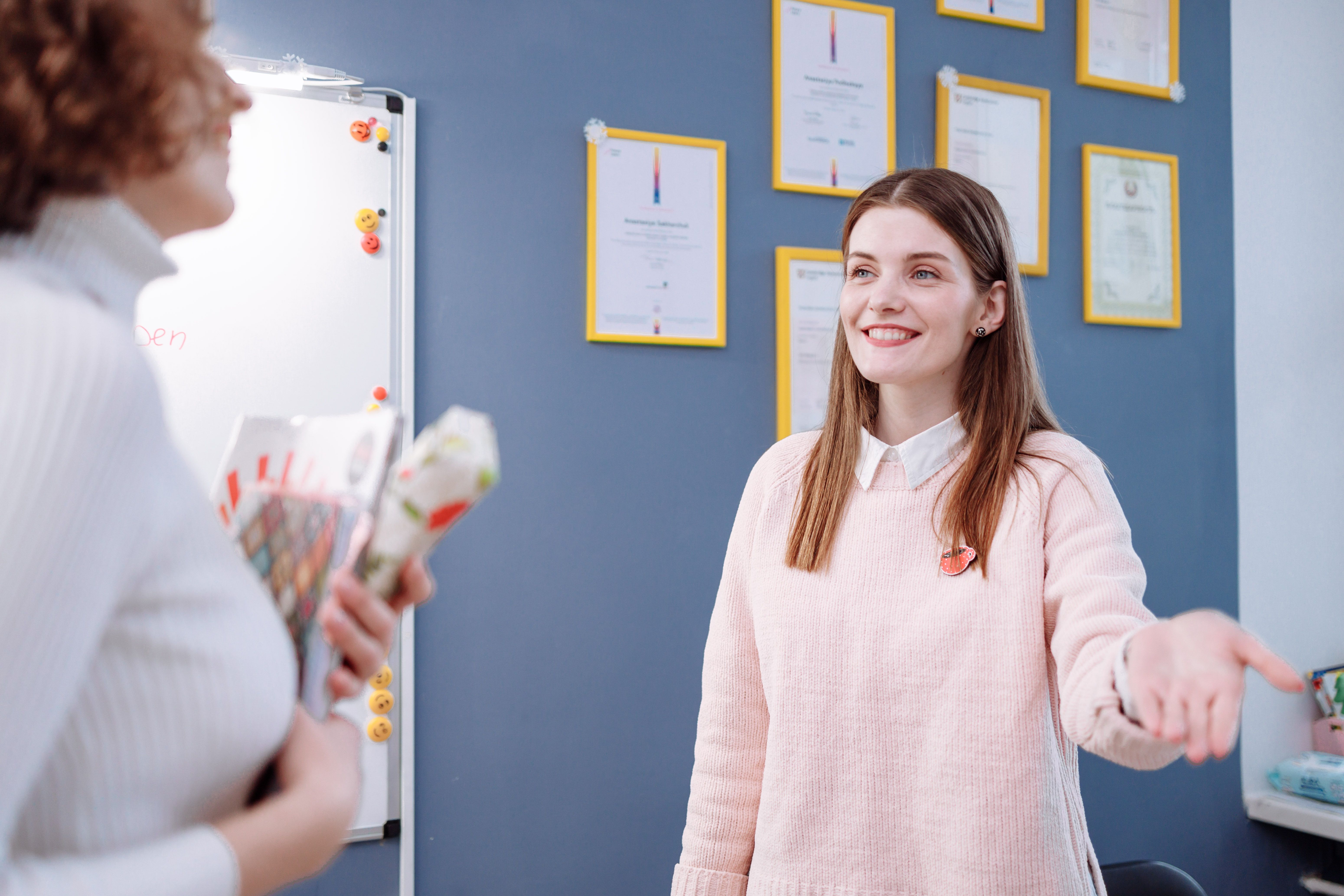
Securing a graduate school assistantship opens the door to valuable experiences and helps reduce the burden of tuition costs. These positions offer practical...
Jun 24, 2026
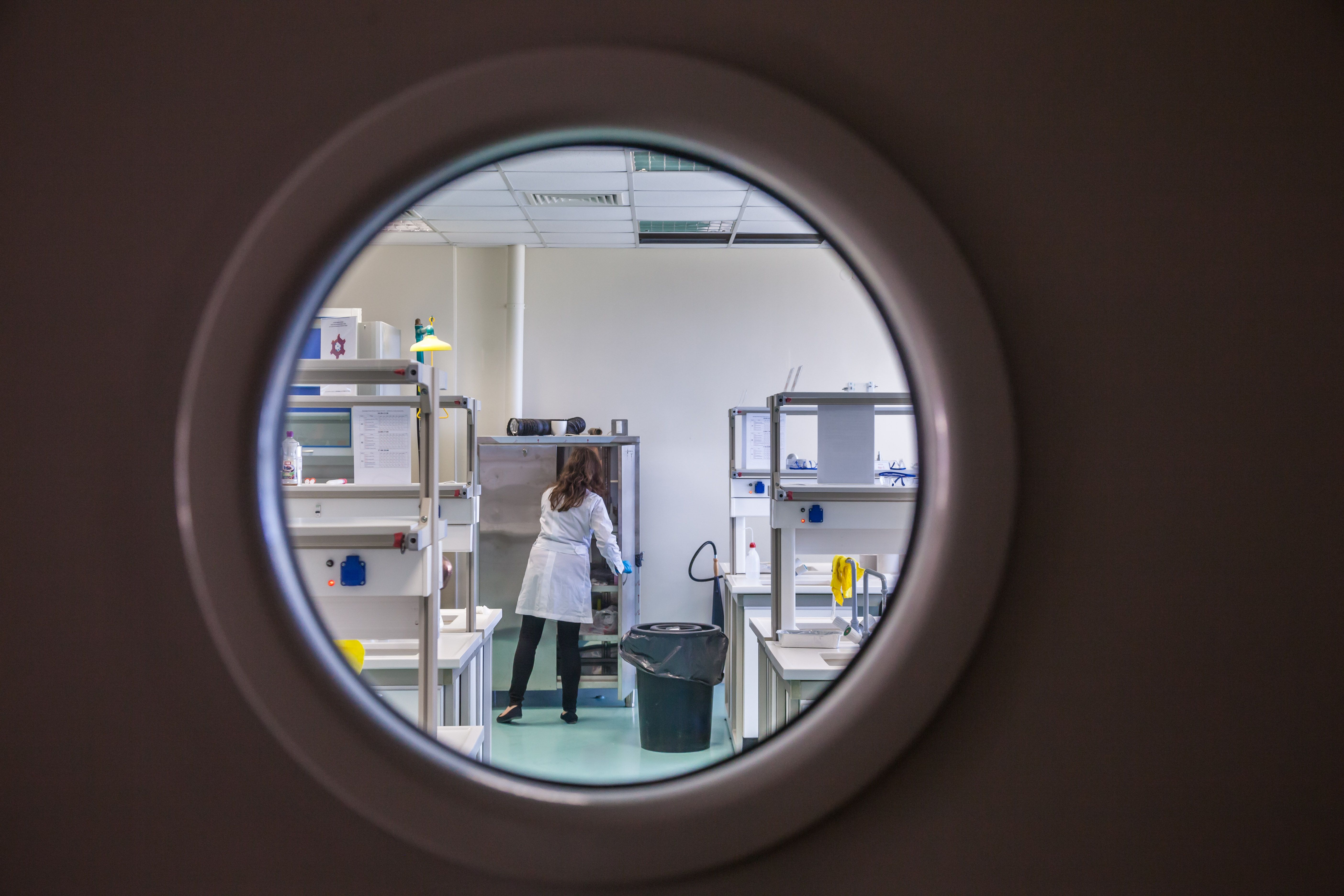
Undergraduate research opens the door to an exciting, unfamiliar world beyond the classroom. Lab benches replace desks, and experiments take the place of lectures,...
Jun 21, 2026

Online classrooms now offer a practical and accessible option for continuing education and skill-building. Learning how to use these platforms well can greatly improve...
Jul 21, 2026
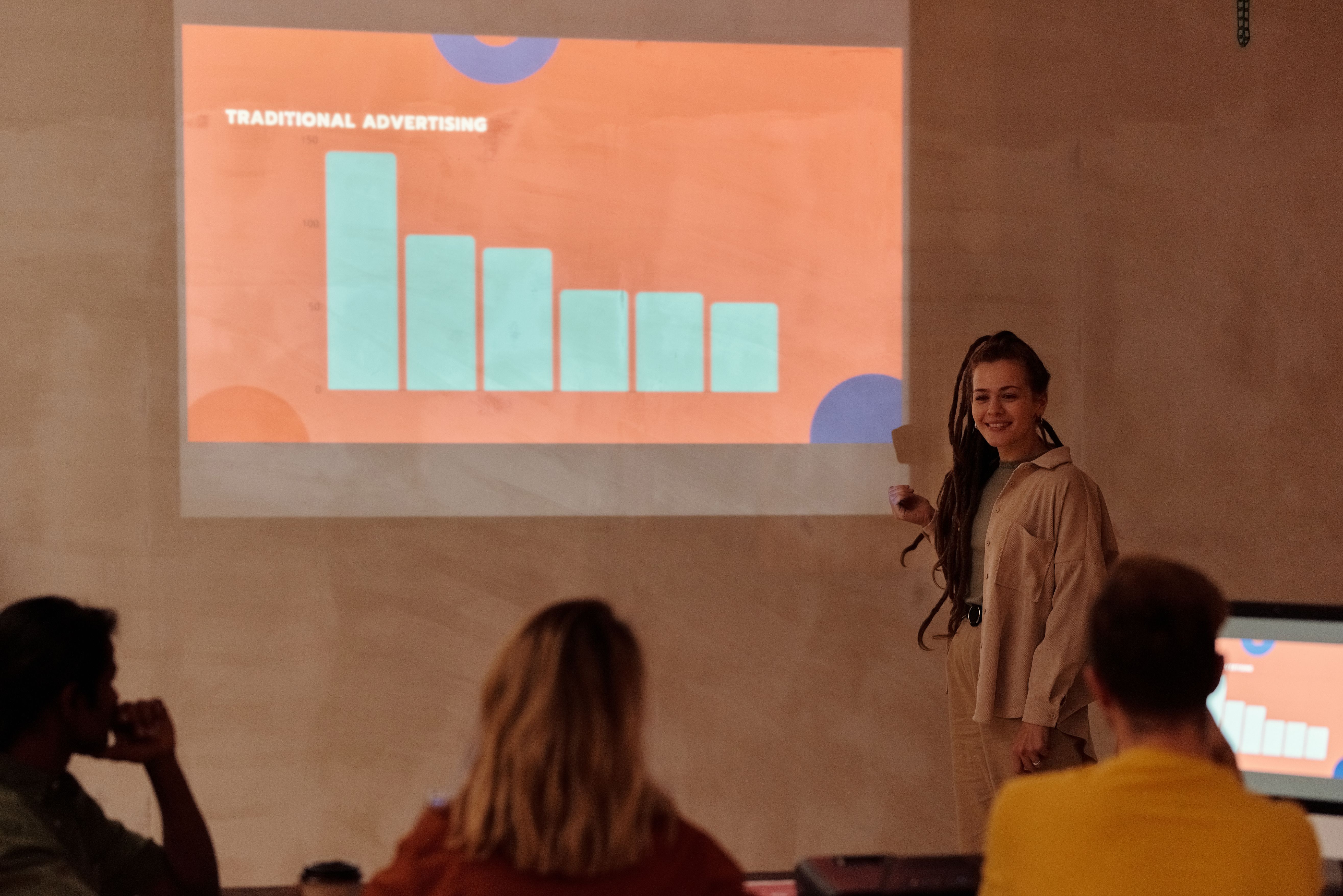
Standing in front of a conference room, ready to share your research, can seem daunting at first. A strong plan helps you organize your thoughts, deliver your message...
Jun 06, 2026

Signing up for a virtual fair opens the door to meeting recruiters from all over the world, each offering unique opportunities for internships, mentorships, or exciting...
Aug 09, 2026

Deciding whether to work in a campus lab or settle into a corner office at a tech hub often means weighing two distinct experiences. Each environment brings its own set...
Aug 12, 2026

Joining an online discussion often brings a mix of excitement and nervousness, as you aim to share thoughtful ideas while respecting the voices of others. Focus first on...
Aug 22, 2026

Reliable career outcomes data from graduate schools offers valuable insight into how alumni advance in their professions after earning their degrees. Reviewing...
Jul 10, 2026

Writing emails with care helps you make a strong impression every time you communicate. Clear and respectful messages show professionalism and encourage timely responses...
Jul 14, 2026
Many students discover unexpected resources when they visit their university’s career services office. While resume reviews are a well-known feature, these offices offer...
Aug 02, 2026

Finding helpful support on campus can ease the pressure of your coursework and daily responsibilities. Many students face demanding schedules or encounter challenges...
Aug 05, 2026